



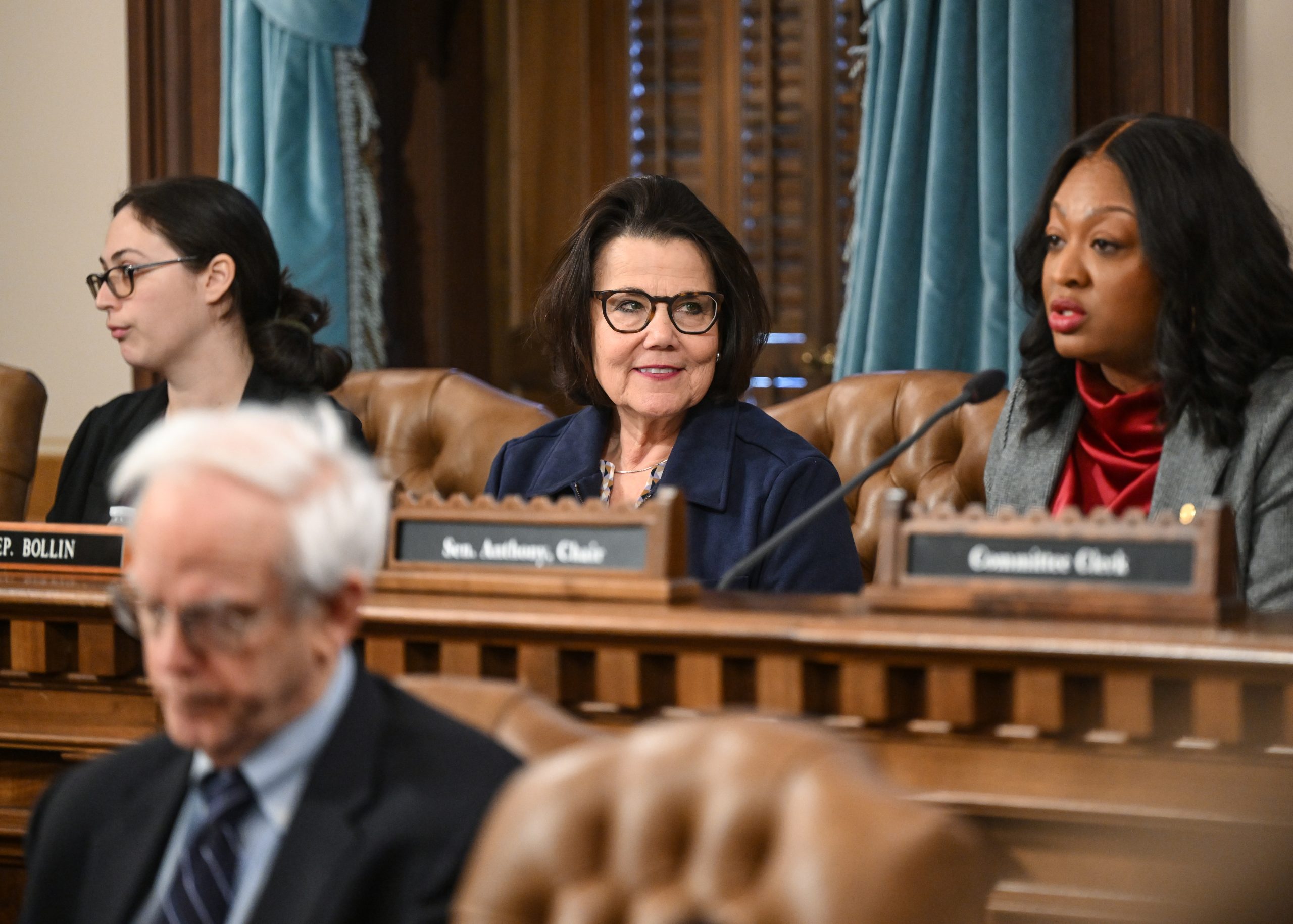
House Appropriations Chair Ann Bollin this week led a committee hearing on a plan designed to reduce Medicaid costs and better protect taxpayer dollars by prioritizing the use of lower-cost generic medications when they are available.
House Bill 4839, currently under consideration by the House Appropriations Committee, would require Michigan’s Medicaid program to favor generic and biosimilar drugs over more expensive brand-name medications when medically appropriate. Most private insurance plans already operate under similar policies, but Michigan’s Medicaid program does not currently include a clear preference for generics.
“Taxpayers expect us to spend their dollars responsibly, and that means using common-sense policies that prioritize lower-cost medications when they work just as well,” said Bollin, R-Brighton Township. “Private insurance plans already follow this model because it’s proven to save money without sacrificing care. This legislation helps ensure our Medicaid program does the same.”
Under federal law, prescription drug coverage is an optional benefit for Medicaid, though every state currently offers it. Drug manufacturers are required to provide rebates on medications purchased through Medicaid, and states may negotiate additional supplemental rebates in exchange for preferred placement on a state’s preferred drug list.
Michigan’s Medicaid program currently uses a common formulary and a single preferred drug list intended to manage costs. Drugs not included on the preferred list require prior authorization, and recipients typically pay a slightly higher copay for non-preferred drugs. However, the program does not require generics or biosimilars to be preferred over brand-name medications.
Because generic drugs begin at a lower price point, they cannot typically generate the same rebate amounts offered by brand-name manufacturers. As a result, the Department of Health and Human Services may sometimes prioritize higher rebate amounts rather than the lower overall cost of generic medications, increasing expenses for the state’s Medicaid program.
“Without clear guidelines, the system can sometimes reward higher rebates rather than lower costs,” Bollin said. “This bill brings transparency and accountability to the process while making sure we’re respecting taxpayers and ensuring the most appropriate care.”
The legislation would still allow physicians to require a specific brand-name drug if medically necessary by specifying that the prescription must be dispensed exactly as written.
Costs for Medicaid pharmacy benefits represent a significant and consistently growing portion of overall Medicaid spending. According to the House Fiscal Agency, House Bill 4839 could generate moderate to significant net state Medicaid savings, ranging from $50 million to $100 million.
“This is about ensuring the long-term stability of Medicaid,” Bollin said. “We’re going to continue this conversation and carefully review the best path forward.”
House Bill 4839 remains under consideration in the House Appropriations Committee.




© 2009 - 2026 Michigan House Republicans. All Rights Reserved.
This site is protected by reCAPTCHA and the Google Privacy Policy and Terms of Service apply.